Revitalize Your Outdoor Area: Professional Deck Solutions for Every Home
Upgrading an outdoor space can boost both its decorative value and usability. Professional deck services present customized options that address personal tastes and financial considerations. Skilled professionals emphasize excellent workmanship and forward-thinking designs, improving the enjoyment of outdoor spaces. With various materials and features available, property owners may question which options are most appropriate for their situation. Gaining insight into the selections can contribute to a more fulfilling upgrade of their space.
Why Invest in Expert Deck Services
Utilizing skilled decking professionals can greatly enhance the durability and visual appeal of outdoor spaces. Experts bring specialized knowledge that confirms a deck is installed or upkept to the greatest quality. Their expertise allows for proper installation techniques, which minimize the chance of structural issues over time. Furthermore, skilled deck services can identify and address potential problems before they become serious, sparing homeowners from significant repair costs in the future.
In addition, skilled contractors regularly use cutting-edge tools and techniques, resulting in a higher-quality finish that elevates the overall look of the property. This dedication to quality can substantially boost a home's overall value. Additionally, professionals remain informed about the latest trends and technologies in deck design, offering homeowners solutions that capture contemporary styles. By choosing skilled deck specialists, homeowners benefit from improvements to the instant attractiveness of their exterior living areas but also in the long-term health and sustainability of their financial commitment.
Finding the Perfect Materials for Lasting Quality and Style
Selecting the best materials for a deck installation calls for thorough evaluation of options like wooden and composite solutions. Each choice presents notable strengths regarding aesthetic appeal and durability, most notably when accounting for weather resistance. Recognizing these elements is essential for arriving at a knowledgeable selection that combines aesthetics with durability.
Wood vs. Composite Options
Picking the most suitable materials for an outdoor deck requires a careful blend of durability and style. Property owners often encounter the dilemma between natural wood and composite alternatives. Timber, typically favored for its organic appeal and warmth, offers a timeless appearance but may need regular upkeep to prevent rot and warping. Conversely, composite decking, composed of a mixture of wood fibers and plastic, offers a low-maintenance option, resisting fading and splintering over time. Although wood can complement a classic appearance, composite decking offer a contemporary appeal with a variety of colors and textures. In the end, the decision is based on personal preferences, budget considerations, and desired longevity, making it important for homeowners to consider the benefits of each choice carefully.
Weather Resistance Factors
When considering materials for outdoor decks, recognizing the importance of weather resistance is crucial for securing long-lasting performance and beauty. Various materials respond differently to environmental factors, impacting their durability and maintenance demands. To illustrate, composite decking is built to handle moisture, UV radiation, and temperature variations, making it a popular choice for homeowners seeking low-maintenance options. On the other hand, traditional wood can be susceptible to rot and insect damage if not properly treated and maintained. Additionally, climate is a key factor; locations with elevated humidity often require materials offering greater moisture protection. At the end of the day, choosing the appropriate decking material requires balancing longevity, aesthetics, and regional climate conditions, ensuring a beautiful outdoor space that withstands the elements.
Bespoke Designs: Crafting Your Deck to Suit Your Vision
Personalized designs for outdoor decks give homeowners the chance to include distinctive elements that showcase their individual style. Through choosing particular materials and evaluating practical layout features, homeowners can develop a space that is both visually appealing and suited to their everyday needs. This customized strategy confirms that each deck serves as a natural continuation of the living space.
Distinctive Design Features
What role do unique design elements play in transforming an outdoor deck into a personal haven? By incorporating bespoke features, homeowners can create a space that reflects their individuality and enhances functionality. Bespoke railings, built-in benches, and decorative lighting can upgrade the aesthetic value while delivering tangible benefits. Moreover, adding planters or trellises brings in abundant foliage, cultivating a tranquil ambiance. Unique shapes or multi-level designs can optimize space usage, accommodating various activities like entertaining or relaxing. Additionally, personalized color schemes and textures can harmonize the deck with the surrounding landscape. These distinctive elements not only enhance aesthetic appeal but also encourage a sense of relaxation, establishing the outdoor deck as a natural extension of the household.
Material Selection Options
Unique design elements set the stage for selecting the right materials, which serve a critical function in achieving a homeowner's dream outdoor deck. Numerous selections are on the market, each delivering specific benefits and design qualities. Traditional wood, celebrated for its rich warmth and enduring charm, demands consistent upkeep but delivers a classic aesthetic. Composite decking, alternatively, delivers long-lasting resilience and reduced maintenance demands, making it a great fit for homeowners with limited time. For those seeking a sleek, modern look, aluminum or PVC decking materials can complement current design trends while withstanding harsh weather conditions. Homeowners should consider their desired style, climate conditions, and maintenance preferences when choosing materials. At the end of the day, the best material decision not only supports the deck's design intent but also fits seamlessly with the homeowner's way of life and long-term vision.
Functional Design Elements
A well-planned outdoor deck can transform a backyard into a functional oasis, designed to fulfill the individual preferences of homeowners. Functional layout features play an important role in achieving this vision. Custom designs can incorporate various zones, such as dining areas, lounges, and play spaces, guaranteeing that all available space is used efficiently. Homeowners can choose from multi-level platforms, built-in seating, or integrated planters to boost practicality and overall design. Thoughtful planning for pedestrian flow and reachability is necessary, allowing for smooth movement between spaces. Moreover, additions like pergolas or strategic illumination can foster an appealing ambiance for day and night use. At its best, a purposefully constructed deck elevates both practicality and satisfaction, establishing it as a meaningful addition to the living space.
Key Features Every Deck Should Have
An appealing deck turns a backyard area into a functional extension of the living space. Essential features enhance both functionality and aesthetics, creating a deck that serves as an ideal social hub. Starting off, built-in seating options provide comfort and maximize space, enabling effortless social gatherings. Additionally, incorporating shade structures, such as pergolas or awnings, delivers shade from harsh rays while cultivating an inviting setting.
Lighting is also essential; carefully positioned light fixtures can allow the space to be enjoyed well into the night, creating a cozy atmosphere. Furthermore, built-in planters introduce lush greenery, complementing the deck's visual appeal and bridging the space with the natural surroundings. To complete the space, adding an outdoor kitchen or bar area elevates the space, inspiring creative cooking and social gatherings.
These elements not only elevate the deck's appeal but also raise the home's overall value, forming a seamless combination of beauty and utility. A well-designed deck acts as a beloved gathering place for loved ones and guests alike.
How to Get Your Deck Ready for Every Season
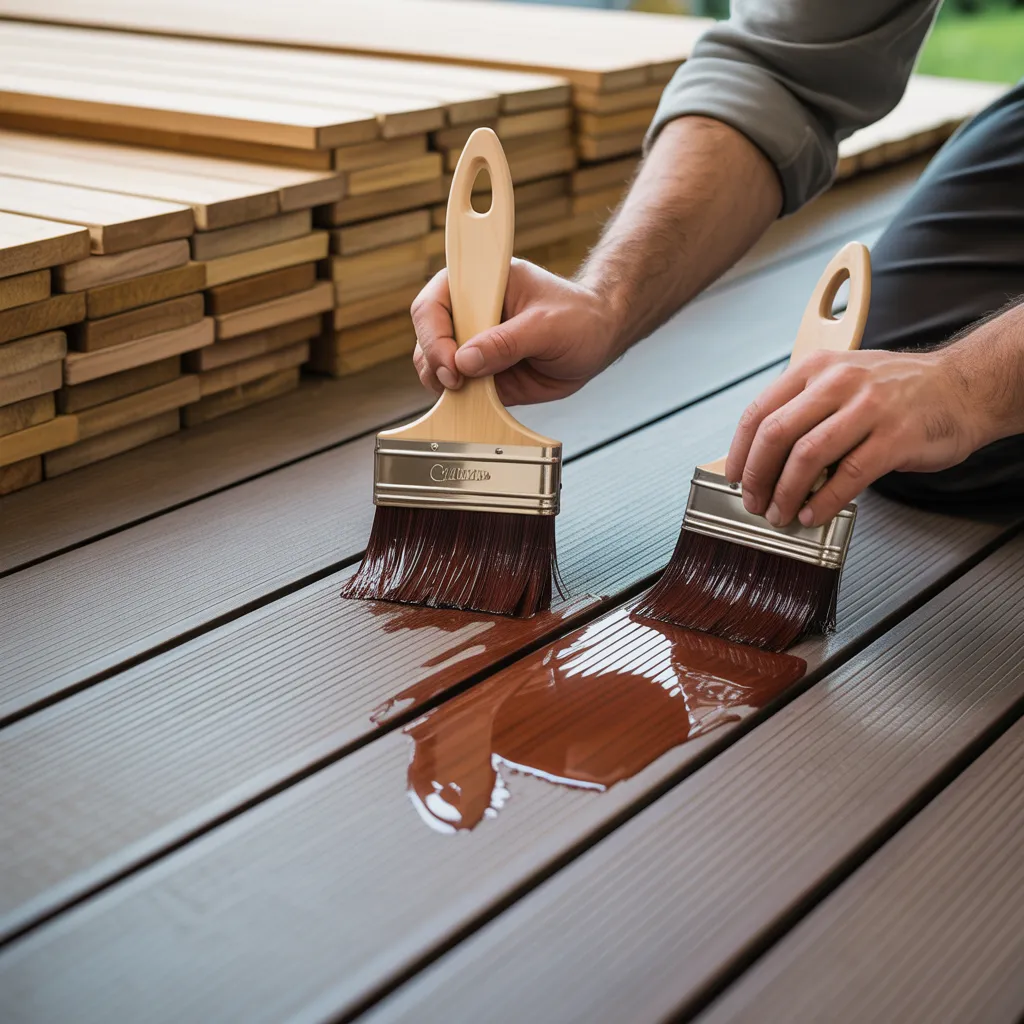
Readying a deck for every season ensures its lasting condition and enhances use throughout the year. In spring, homeowners should examine for damage from winter, wash down the surface, and use a quality sealant to protect from moisture. Getting ready for summer includes routine maintenance cleaning and confirming that furniture and accessories are sun-resistant to prevent fading.
As fall approaches, it becomes necessary to clear leaves and debris to prevent mold and mildew, while also looking for loose boards or nails. Finally, preparing for winter necessitates comprehensive cleaning and applying an ice-melting agent to avoid damage caused by snow and ice.
Shielding the deck with a weatherproof tarp can additionally guard it from harsh elements. By following these seasonal maintenance steps, homeowners can guarantee their decks remain structurally sound, practical, and aesthetically pleasing year-round, optimizing outdoor pleasure regardless visit this page of the time of year.

Deck Care Tips for Long-Lasting Results
Keeping a deck demands regular attention to detail to guarantee its lasting beauty and structural integrity. Routine cleaning plays a vital role; clearing away dirt and rinsing the surface with a soft cleanser works to eliminate mold and mildew accumulation. Checking for loose boards, nails, or screws is essential, as they may result in safety risks and further deterioration.
Using a weather-resistant sealant every few years can guard the wood from moisture and UV rays, significantly prolonging its lifespan. As seasons change, it is recommended to inspect for signs of deterioration, such as fading or splintering, and tackle these concerns without delay. Furthermore, raising planters and outdoor furniture can avoid the buildup of moisture below. By adhering to these maintenance tips, homeowners can ensure their decks stay safe, attractive, and functional for the long term.
Tips for Choosing the Perfect Deck Builder for Your Project
How can homeowners guarantee they select the best deck builder for their project? First, they should seek recommendations from friends, family, or online reviews to identify reputable builders. After that, confirming credentials is essential; homeowners should ensure the builder holds proper licensing and insurance to safeguard against possible liabilities.
In addition, reviewing a construction professional's previous work can provide insight into their craftsmanship and style. Prospective clients should inquire about references and make contact to gauge satisfaction levels from past clients.
Moreover, gathering multiple quotes will allow homeowners to compare the prices and services offered, ensuring that homeowners understand the quality offered by each home builder.
Ultimately, clear communication is essential; a good builder will listen to project ideas and offer knowledgeable input, encouraging a teamwork-oriented dynamic. By adhering to these guidelines, homeowners can confidently choose a deck builder who aligns with their vision and budget, and in turn elevating their outdoor environment.
Questions We Often Hear
How Much Time Does a Standard Deck Installation Require?
A typical deck installation commonly requires between one to three weeks in total, depending on the size, materials, and complexity of the project. Weather conditions and site preparation can also influence the overall timeline.
What Permits Do You Need for Deck Construction?
Typically, deck construction requires building permits, which may include zoning authorizations and structural inspections. Municipal regulations differ, so consulting a municipal office or a licensed contractor is necessary to ensure compliance with local requirements.
Can I Build a Deck on Uneven Ground?
Constructing a deck on sloped ground is achievable, but necessitates careful planning and appropriate techniques, such as using a lifted base or flexible mounts. Sufficient water management and anchoring are essential to secure safety and longevity.
How Much Does Deck Installation Typically Cost?
The typical cost of deck installation usually ranges from $15 to $35 per square foot, influenced by materials, design complexity, and regional labor rates. Homeowners need to account for supplementary costs for necessary permits and site preparation work.
Do Eco-Friendly Decking Options Exist?
Eco-friendly decking options are indeed available, including composite materials made from recycled plastics and wood fibers, responsibly harvested hardwoods, and bamboo materials. These options minimize environmental impact while delivering durable and visually appealing outdoor solutions.